Slab Leak Detection in the Greater Seattle Area
Pinpoint under-slab leaks without jackhammering your floor.
A slab leak is one of the worst surprises a homeowner can get. Water under the concrete can travel ten or twenty feet from the actual break, surface where it pleases, and quietly damage flooring and foundation long before anyone notices. Simply Leak Detection pinpoints slab leaks acoustically and thermally - so when concrete finally does get opened, it's opened in exactly one place, directly over the leak.
What is a slab leak?
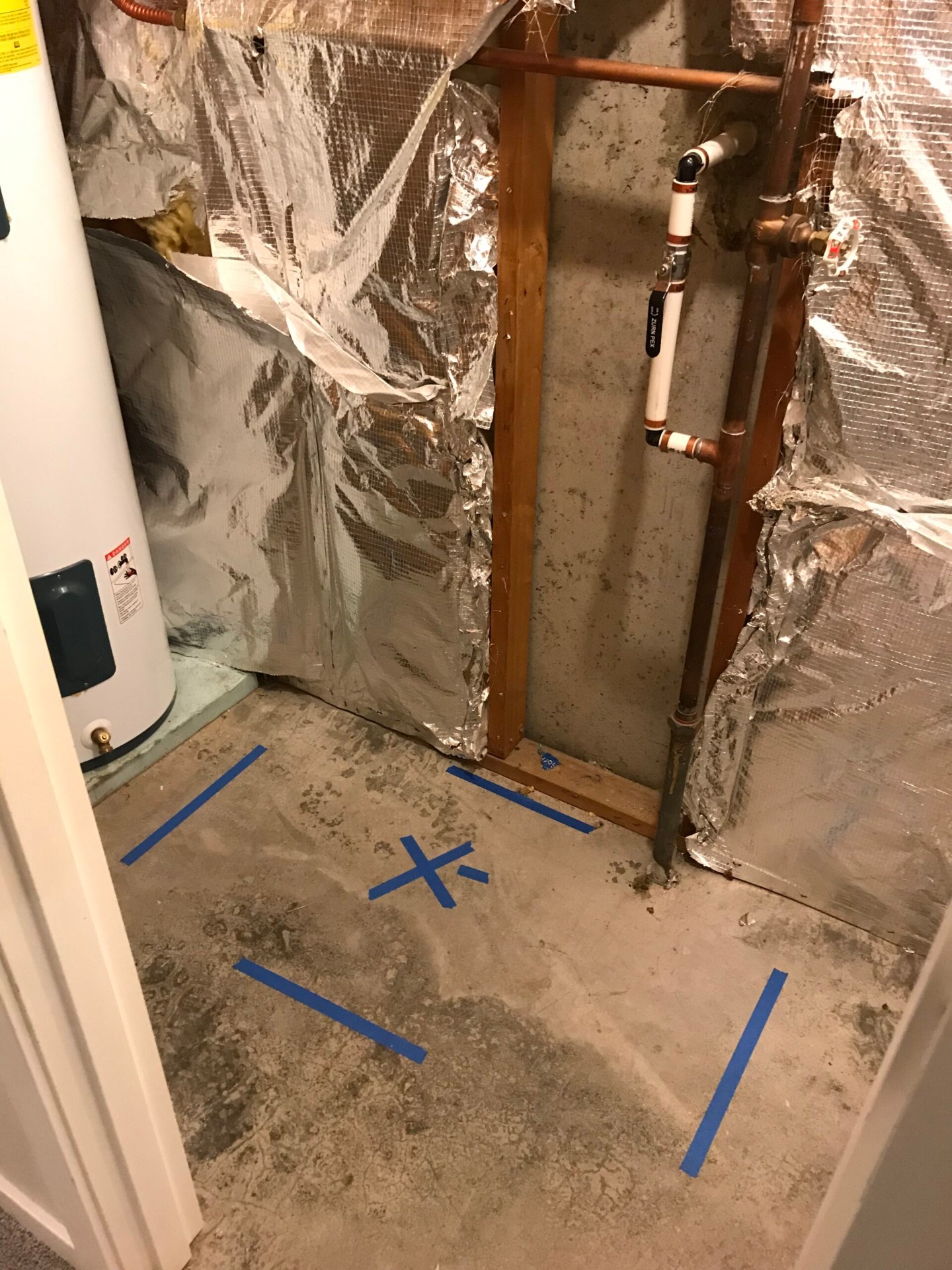
Many homes and commercial buildings are constructed without a crawl space and these foundations are commonly referred to as “slab on grade” foundations. Beneath many of these slab on grade foundations are water pipes, drain pipes and sometimes power and other utilities. Over time these pipes can develop leaks, being very expensive to repair and difficult to pinpoint.
Plumbing leaks beneath a slab foundation can present unique locating obstacles encountered by most leak detection professionals. Many include varied flooring materials to structure obstacles such as walls, fixtures, appliances or stairwells. Other unseen leak detection obstacles may include insulated or sleeved pipes, plastic liners installed beneath the slab, other utilities including drain or sewer pipes.
What causes slab leaks
Most slab leaks happen on the hot-water supply line, which expands and contracts more than the cold side and tends to fail first. Copper lines rub against rebar, gravel, or rough concrete with every thermal cycle until a pinhole opens. Aggressive water chemistry, high pressure, and undersized fittings can accelerate it.
Older homes with copper run directly through the slab are the most common candidates, but we also see slab leaks in newer construction where PEX or copper was sleeved poorly or kinked during the original pour.
Signs you have a slab leak
Classic signals: a warm spot on the floor (almost always the hot supply line), the sound of running water with everything off, unexplained spikes on the water bill, low hot-water pressure, cracks in flooring, and damp baseboards. A spinning water meter with the home shut off is the giveaway - and it tells us the leak is on the supply side, not waste.
Why slab leak success depends on the right locate
Slab leak detection lives or dies on accuracy. A repair plumber can fix a slab leak through a small core in the concrete - but only if the locate is correct to within a foot. A miss means another core, another patch, and another bill. The success factors that matter most:
Slab leak success factors
Slab leak locating experience of the locator - these leaks require many repetitions to become skilled.
Isolating hot vs cold supply lines before listening, so we know which side the leak is on and don't chase the wrong signal.
Understanding the obstacles (visible and unseen under the slab) and how to confirm locates.
Mapping out and interpreting pipe locations as related to leak locations, and documenting line direction.
Confirming acoustically and thermally. A warm spot alone isn't enough; we cross-check with sound to rule out a hot-line that's just close to the surface.
Providing the repair contractor with all information so every repair option can be considered.
- ◆Hot-side and cold-side supply leaks under the slab
- ◆Pinhole copper failures from thermal expansion against rebar
- ◆Damaged PEX or sleeved lines from the original pour
- ◆Warm spots, moisture patterns, and acoustic signatures consistent with a pressurized leak
- Isolate hot and cold supply at the water heater and manifold
- Map the under-slab line route before listening
- Pinpoint with acoustic ground microphone and confirm with thermal imaging
- Mark the location precisely for a single, small concrete core
Slab leak locates are where experience matters most - instrumentation can't tell you whether you're hearing the leak or the line above it. We've been pinpointing slab leaks across the Greater Seattle Area since 2010, with 10,000+ leaks located. That's why local plumbers send us their slab calls.
Three steps. No guessing.
Schedule
Call or message to book a time. We gather details so we arrive ready.
Non-invasive inspection
Acoustic sensors, tracer gas, and other non-invasive techniques - no jackhammers, no guesswork.
Clear written summary
Exact location and photos in a summary of findings included with every invoice.
Other ways we help
Residential Leak Detection
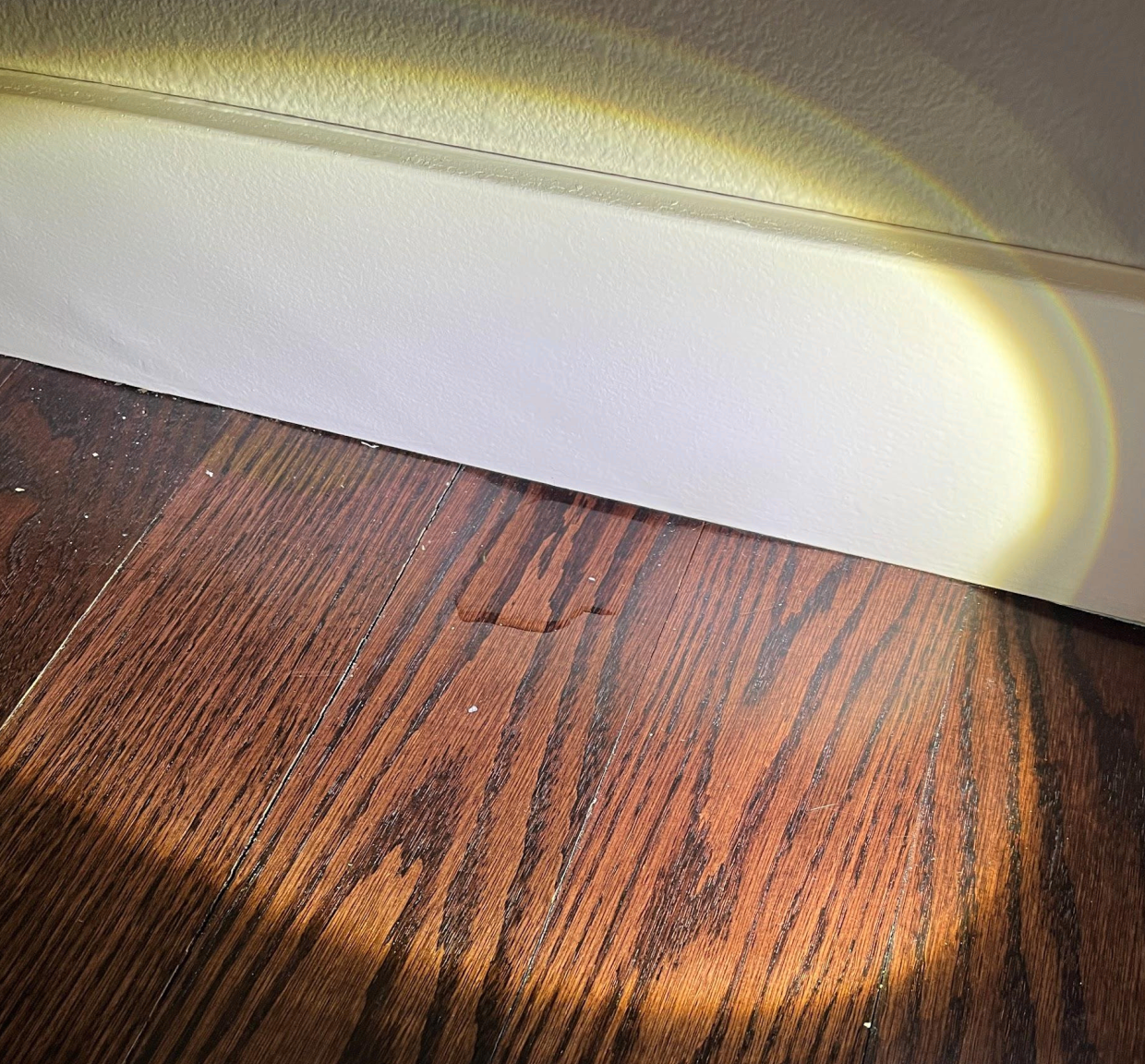
Find hidden leaks inside walls, ceilings, and floors or outside between the meter and your home - without unnecessary demolition or digging.
Explore service →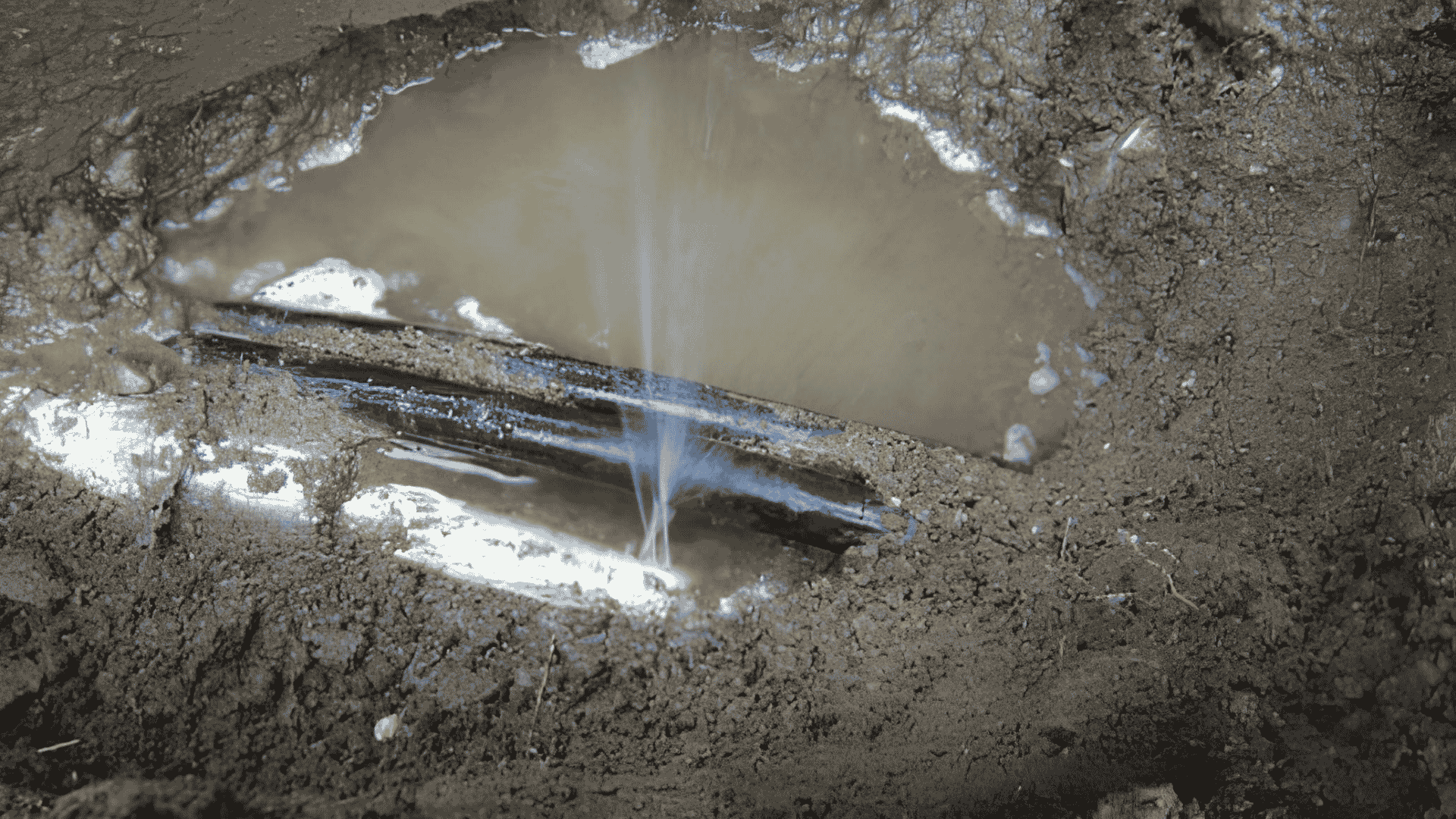
Underground Water Leak Detection
Find buried supply-line leaks without trenching your yard, driveway, or landscaping.
Explore service →
Commercial Leak Detection
Locate leaks in commercial buildings without shutting down tenants or operations.
Explore service →Think you have a slab leak? Let's locate it - without breaking your floor.
Get your FREE quote today
Suspect a slab leak detection issue? Call now or send a quick message. We respond fast and provide clear pricing before any work begins.