Residential Leak Detection in the Greater Seattle Area
Find hidden leaks inside walls, ceilings, and floors or outside between the meter and your home - without unnecessary demolition or digging.
A hidden residential leak may be inside a wall, under a floor, beneath a slab, or outside between the meter and your home. By the time you see staining, hear water running, notice a wet area outdoors, or receive an unusually high bill, the leak may have been active for weeks. Simply Leak Detection checks inside and outside to identify the source non-invasively, so you can hand your plumber an exact spot instead of authorizing exploratory demolition or unnecessary digging.
Signs of a hidden leak inside your home
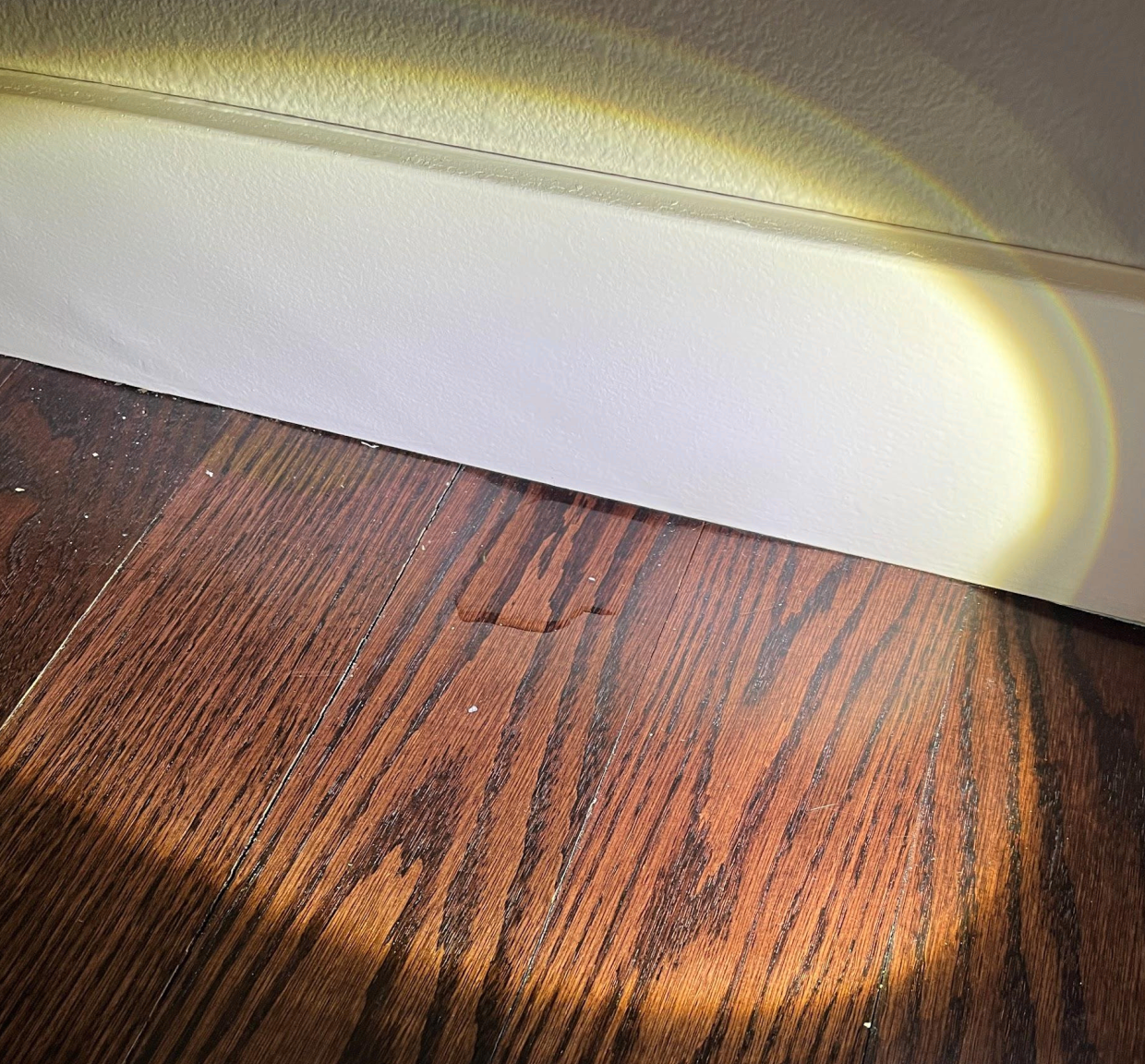
The clearest indicator of a residential leak is a water bill that climbs with no change in your usage. Inside the home, look for warm or damp spots on the floor (especially over a slab), peeling paint, soft drywall, mold or mildew smells in a closet or under a sink, and reduced pressure at one fixture. A water meter that keeps moving when everything is off is a smoking-gun signal.
Many of these symptoms point to common residential leak sources: toilets that are running when they shouldn't, pinhole leaks in copper supply lines inside walls, slow drain leaks behind tiled showers, failing shower-pan liners, and supply lines to ice makers, dishwashers, or hose bibs that have been quietly dripping behind cabinets for years.
Our non-invasive home leak detection process
We start with a quick conversation about what you're seeing and your water bill history. On site, we test the water meter for movement, inspect likely signs both inside and outside the home, isolate hot and cold supply systems, and pressurize them independently so we can determine which section is losing water before we start listening.
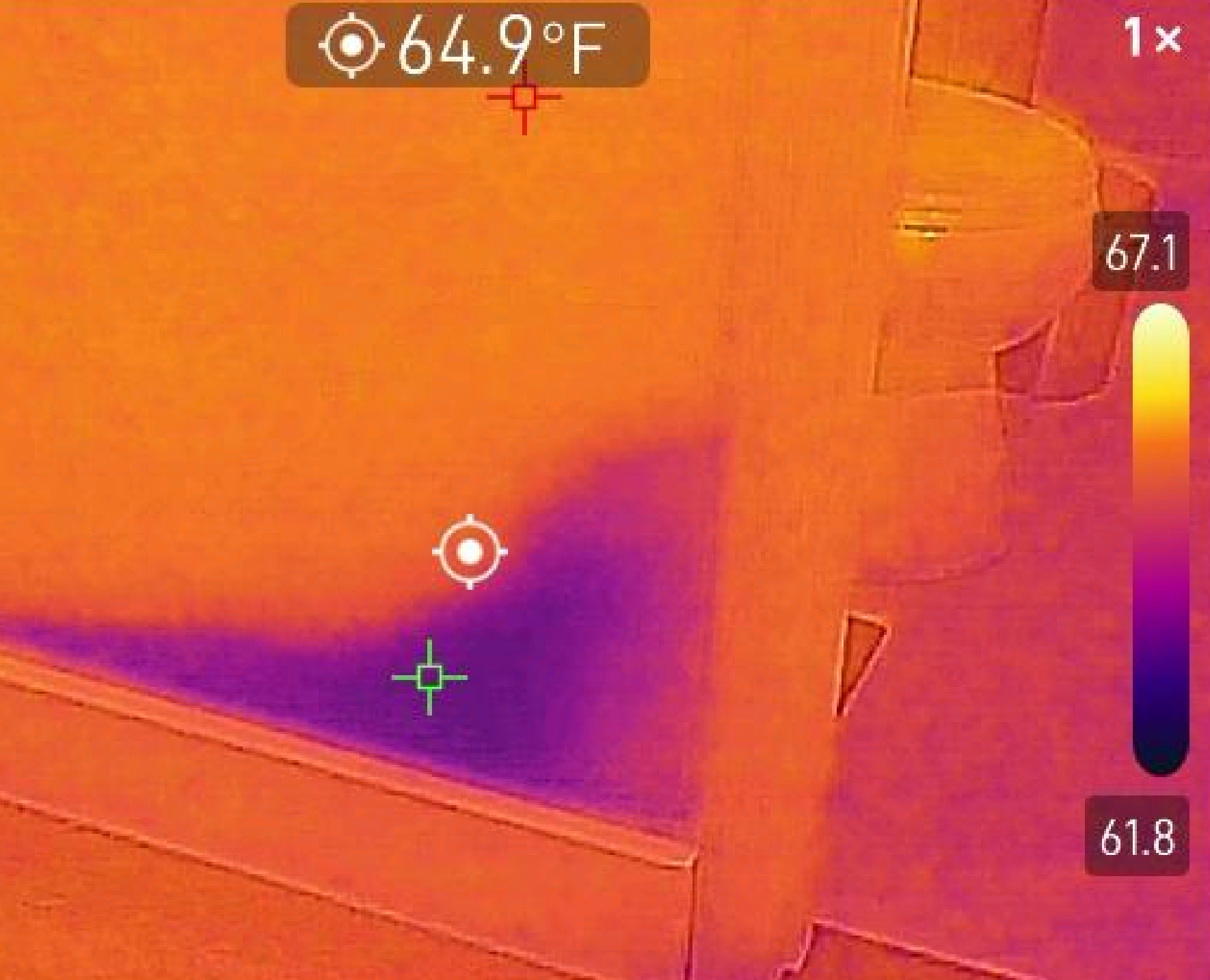
Then we use the right tool for the situation - acoustic ground microphones for slabs, thermal imaging to spot temperature differentials in walls and floors from leaking supply lines, and moisture meters to confirm the path of the water. The goal is a single, marked location - not three guesses.
When the leak source may be outside
Sometimes water appears inside even though the source is outdoors, and sometimes an unusually high bill is the only clue. We look for wet or unusually green areas in the yard, water near the foundation, meter movement when indoor fixtures are off, and evidence that the service line between the meter and the house may be leaking.
If testing points to an exterior service line, our underground leak detection process uses the appropriate non-invasive locating methods to narrow the leak area before repair. Learn more about how we investigate and locate leaks outside without starting with exploratory digging.
Why this saves you money on the repair
Most plumbers price residential leak repairs based on access. If the leak is precisely located, they cut one small section of drywall or dig one small hole and fix it. If they have to find it themselves, the access work often costs more than the plumbing.
A clear locate summary with photos and exact coordinates gets the work done faster, narrows the drywall or excavation repair, and keeps insurance claims clean by documenting the source of the loss.
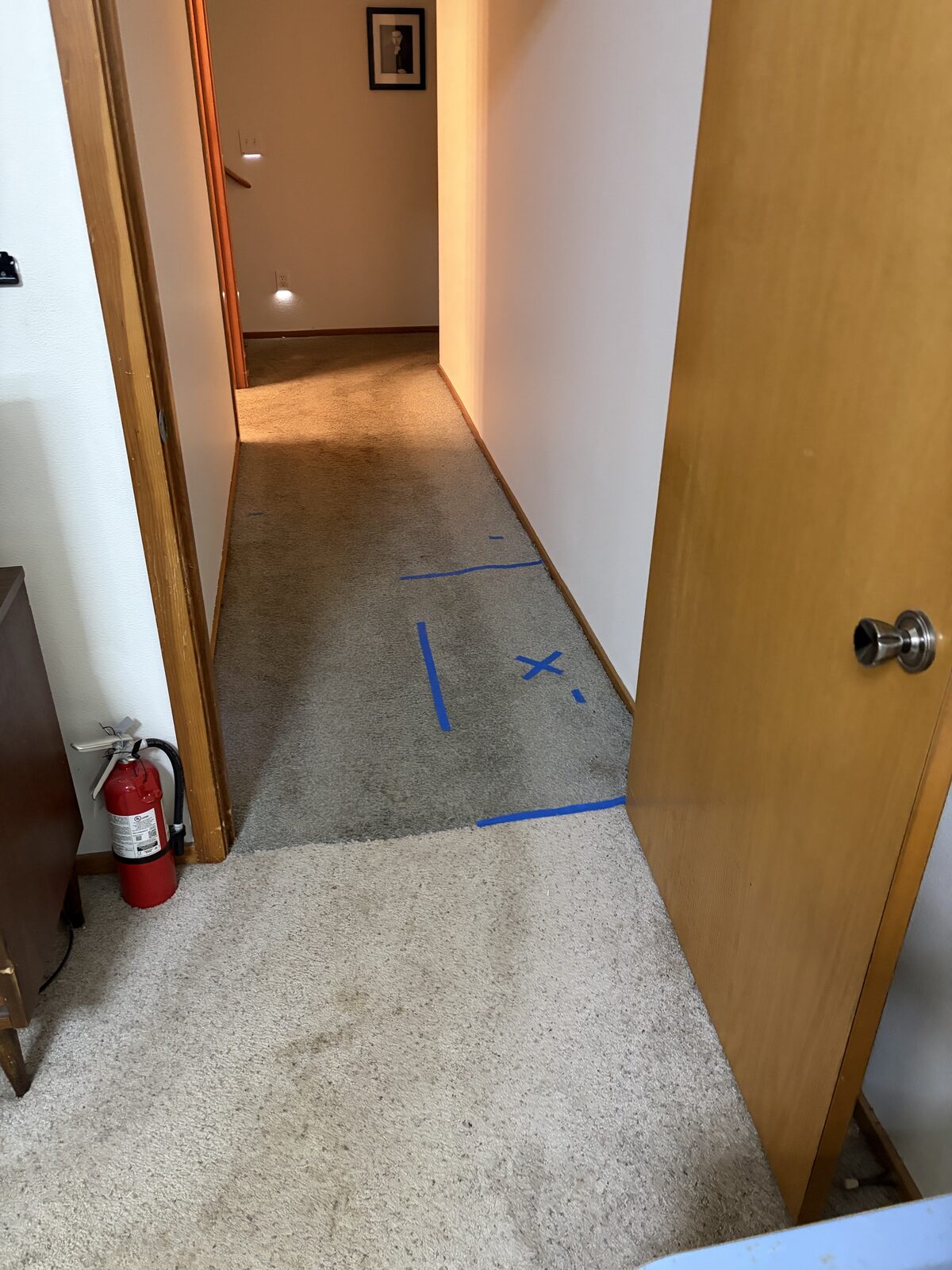
Residential leak detection in action
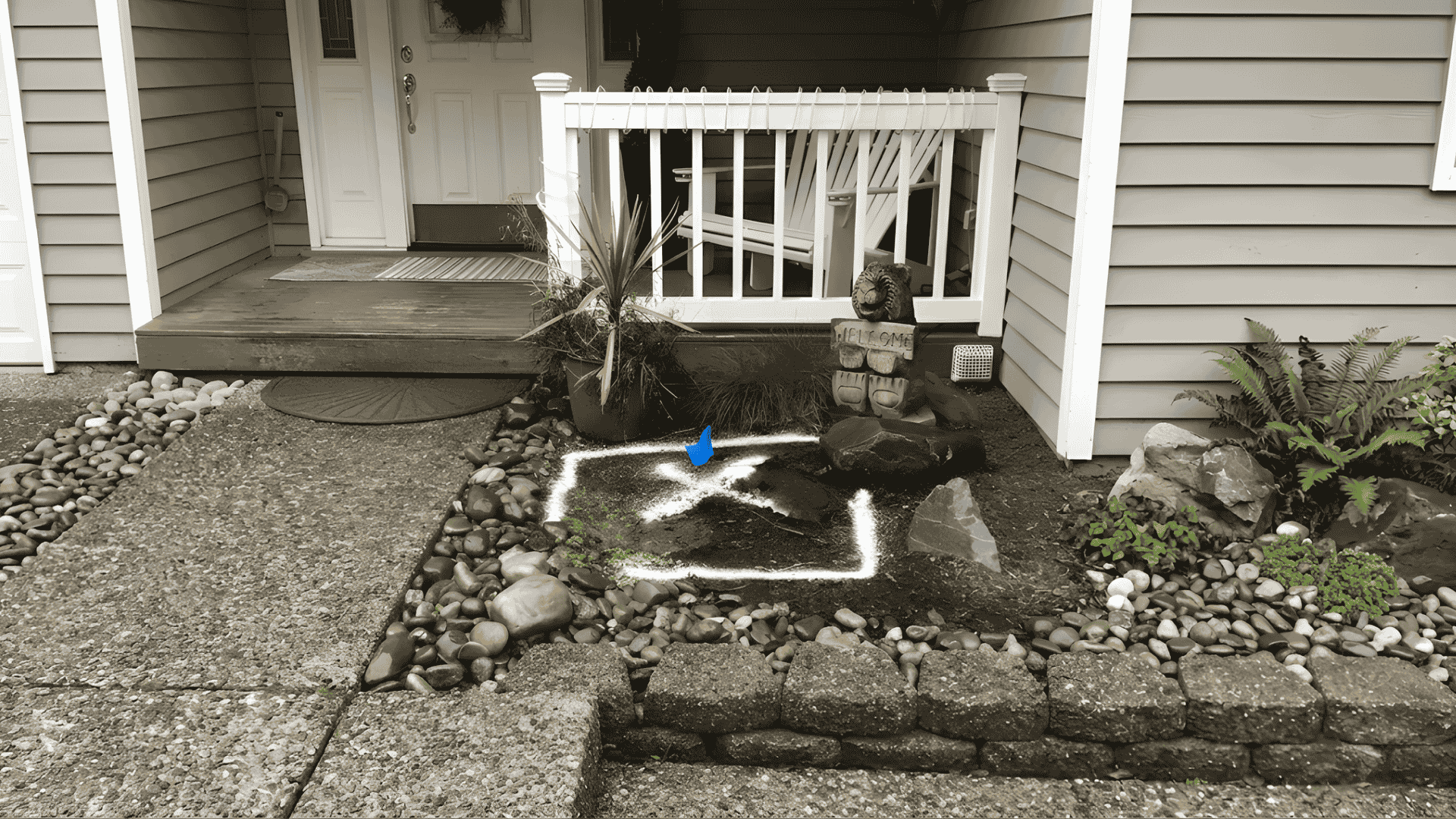
- ◆In-wall supply line pinholes on copper and PEX
- ◆Slab leaks under tile, hardwood, or carpet
- ◆Shower-pan, tub-spout, and tile-grout failures
- ◆Leaks behind dishwashers, fridges, and laundry boxes
- ◆Outdoor service-line leaks between the water meter and the home
- Confirm the leak exists by isolating supply systems at the meter
- Map likely leak paths from fixture and bill data
- Pinpoint with acoustic, thermal, and moisture instruments
- Mark the spot and deliver photos + a written summary included with your invoice
Since 2010 we've located 10,000+ residential leaks across the Greater Seattle Area. We've seen every common home leak - and a lot of uncommon ones - and we know what each signature sounds, looks, and reads like on instruments. That experience is why local plumbers refer customers to us.
Three steps. No guessing.
Schedule
Call or message to book a time. We gather details so we arrive ready.
Non-invasive inspection
Acoustic sensors, tracer gas, and other non-invasive techniques - no jackhammers, no guesswork.
Clear written summary
Exact location and photos in a summary of findings included with every invoice.
Other ways we help
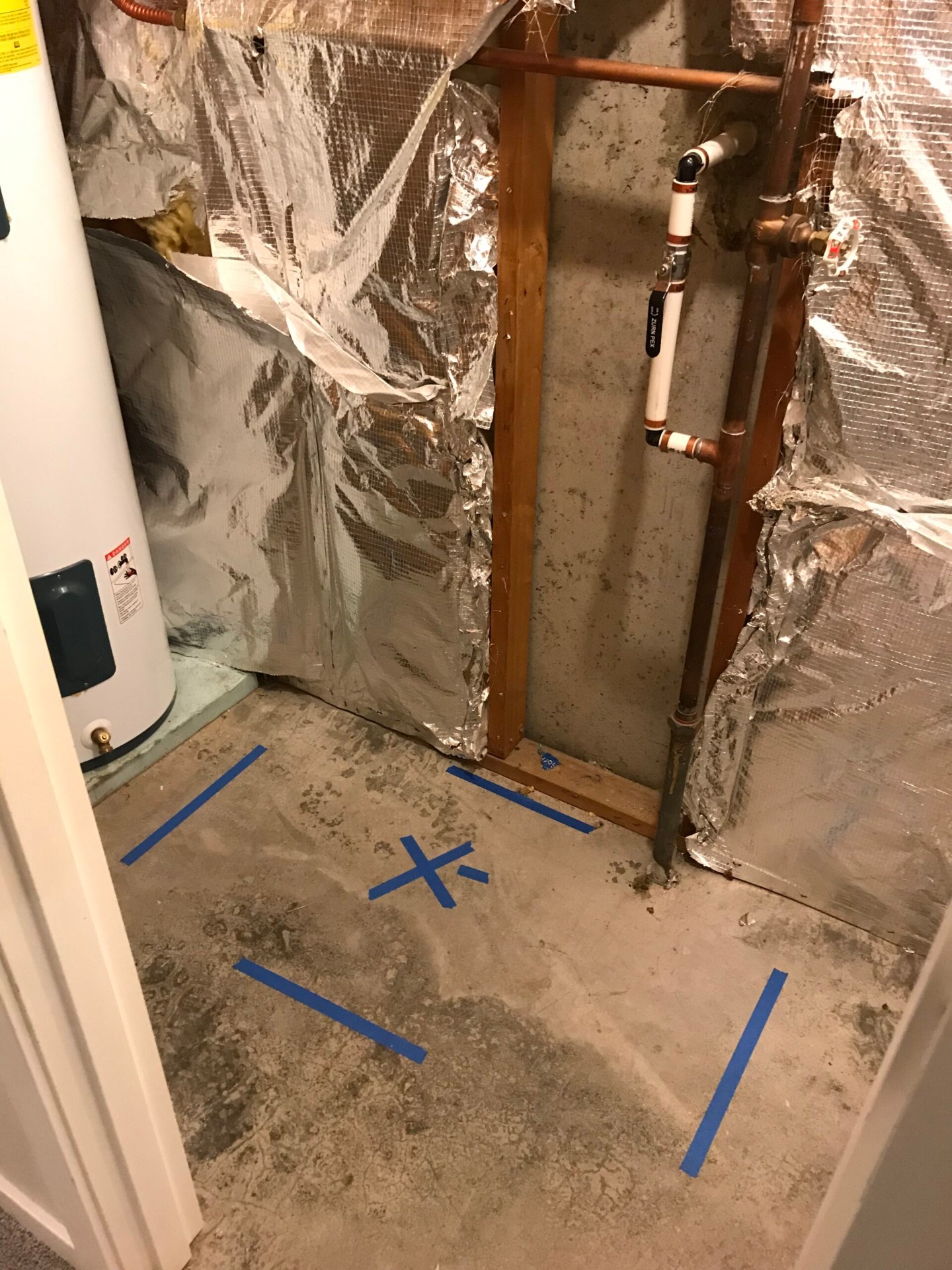
Slab Leak Detection
Pinpoint under-slab leaks without jackhammering your floor.
Explore service →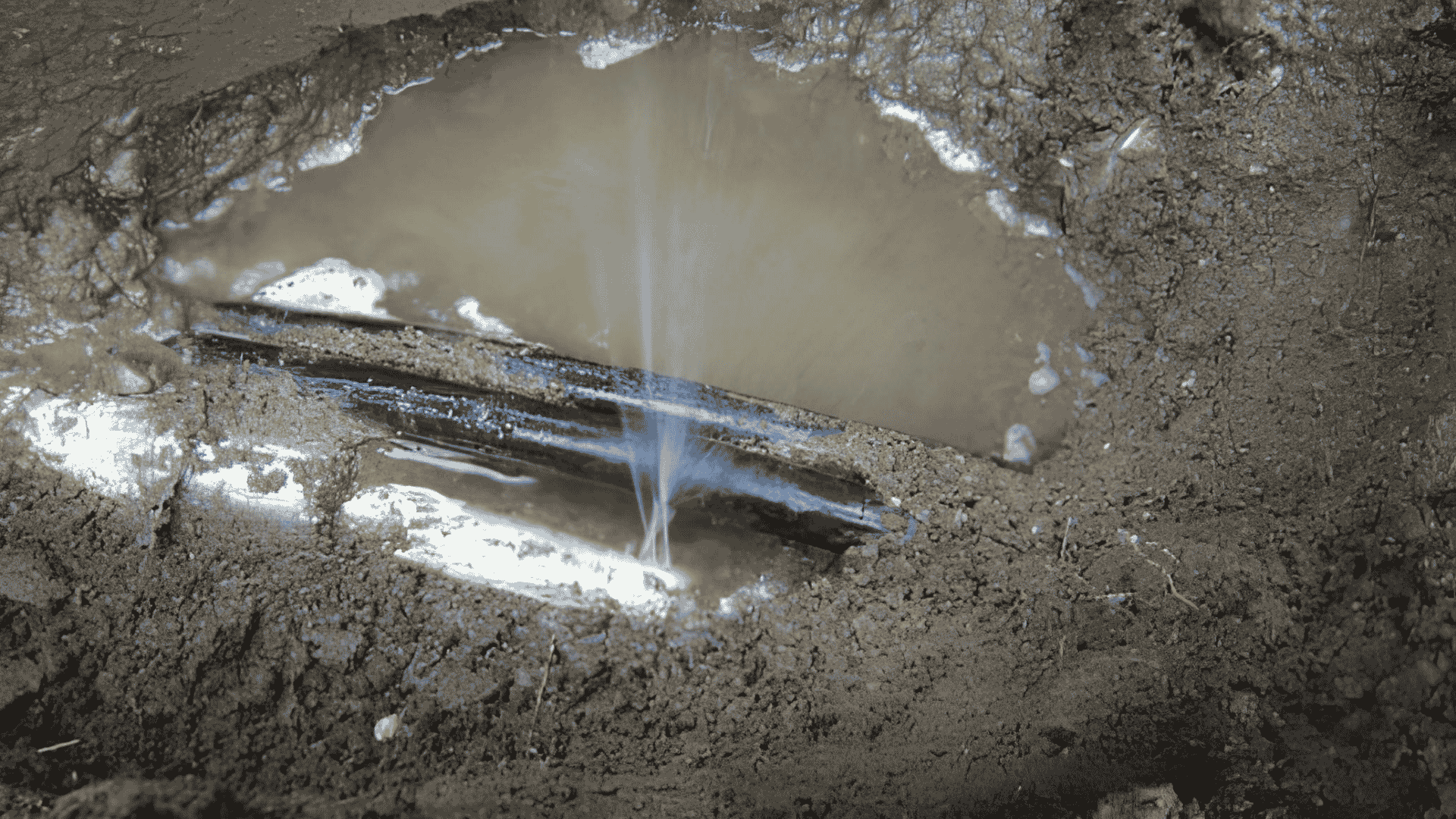
Underground Water Leak Detection
Find buried supply-line leaks without trenching your yard, driveway, or landscaping.
Explore service →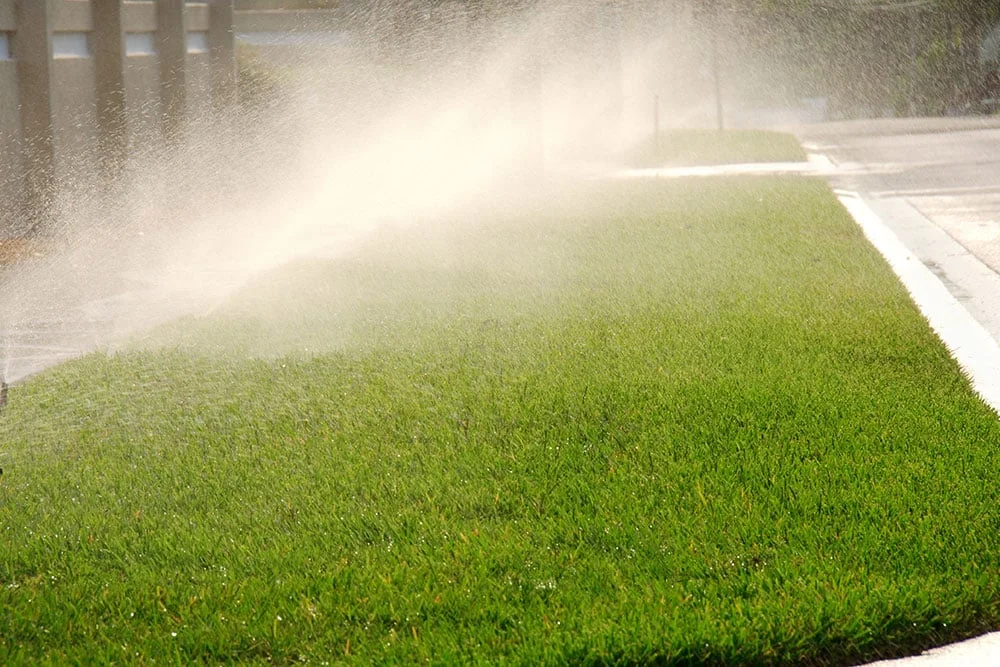
Irrigation Leak Detection
Locate leaks in sprinkler systems and irrigation lines without tearing up the landscape.
Explore service →Think you have a hidden leak in your home? Let's locate it - no demolition.
Get your FREE quote today
Suspect a residential leak detection issue? Call now or send a quick message. We respond fast and provide clear pricing before any work begins.