Water Leak Detection Services: Protecting Your Home From Costly Damage
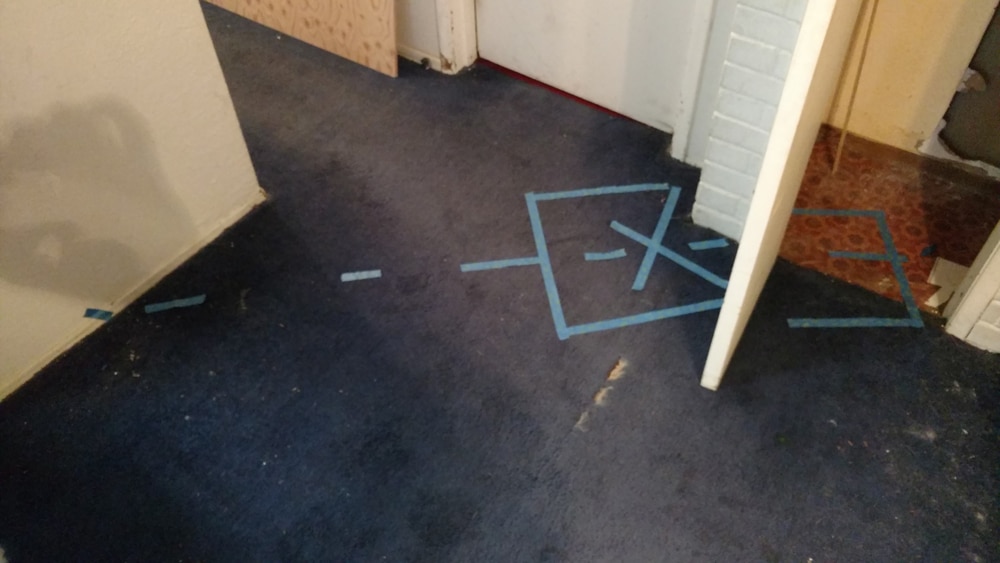
A hidden water leak rarely announces itself. It seeps behind a wall, under a slab, or along a buried supply line for weeks - quietly running up your bill and soaking the structure around it - before anyone spots a stain or catches a musty smell. By then, the repair is rarely just the pipe.
The scale is bigger than most homeowners expect. EPA WaterSense estimates household leaks waste nearly one trillion gallons of water nationwide every year, with the average home losing about 10,000 gallons annually - roughly 270 loads of laundry down the drain - and about 10% of homes have leaks that waste 90 gallons or more a day. That wasted water is exactly what turns a small plumbing problem into a structural one.
Why a small leak becomes a big expense
Water damage isn't a rare disaster - it's one of the most common. According to the Insurance Information Institute, water damage and freezing make up about 22.6% of all homeowners insurance claims - the second-most-frequent claim behind wind and hail - and the average claim runs around $14,000. Roughly one in 60 insured homes files a water or freezing claim in a given year.
Two local factors make early detection especially worthwhile around Puget Sound: aging supply lines in older Seattle- and Tacoma-area homes, and winter cold snaps that freeze and crack exposed pipes. When a buried line or a pipe under the slab starts leaking, the damage builds out of sight:
- Structural damage - wood rot, foundation movement, and mold as framing and drywall stay wet.
- Health risks - persistent moisture feeds mold and mildew that can aggravate allergies and asthma.
- Wasted money - a running leak inflates every monthly water bill until it's found and fixed.
Signs you may have a hidden leak
You can often catch a leak before the damage shows. Watch for:
- A water bill that climbs with no change in usage
- A leak notice or high-usage alert from your utility
- The sound of running water when everything is turned off
- Warm or damp spots on floors, or soft areas in the yard
- A drop in water pressure
- A water meter that keeps moving after all fixtures are off
That last one is the simplest check you can do yourself: shut off every fixture and watch the meter. If it's still ticking, water is going somewhere it shouldn't. Our Water Leak Rate Test can calculate the flow from two readings. If the meter confirms a leak but you can't see it, it's likely underground or behind a surface - and that's where professional detection becomes useful.
How professional detection finds the leak without the digging
The old way to chase a hidden leak was to open walls or trench the yard until you found it. Modern water leak detection services locate the leak first, so any repair is precise instead of exploratory. At Simply Leak Detection, we combine several non-invasive methods:
- Acoustic detection - sensitive sensors amplify the sound of water escaping a pressurized line, even under concrete.
- Infrared thermography - thermal cameras reveal the temperature differences a hidden leak creates behind walls and under floors.
- Tracer-gas testing - a safe, non-flammable gas blend is introduced into the line and pinpointed where it surfaces, which is useful for underground water lines and other hard-to-reach pipes.
The same toolkit handles trickier problems like a slab leak under a foundation, where guesswork is expensive and accuracy can save the floor.
Preventing the next leak
A few habits go a long way - and the EPA notes that fixing easy household leaks can save homeowners about 10% on their water bills:
- Insulate exposed pipes before winter to prevent freeze-and-burst damage.
- Check under sinks, around the water heater, and at appliance connections a few times a year.
- Note any unexplained change in water pressure.
- Go easy on chemical drain cleaners, which can corrode pipes over time.
- Shut off the main supply if you'll be away for more than a few days.
Catch it early
A leak only gets more expensive the longer it runs. If your bill jumped, your meter won't settle, or you've spotted a damp patch you can't explain, it's worth having it looked at before it becomes a claim. Simply Leak Detection provides fast, non-invasive detection across the greater Seattle area. Get in touch or call (253) 800-1412, and we'll help you find it.
Have a leak you need found?
Simply Leak Detection has located 10,000+ leaks across the Greater Seattle, Tacoma, and Olympia areas since 2010.