
Is My Water Pipe Made of Good Materials and Worthy of Repair?
We hope you find this information both informative and helpful. Most of us are not pipe experts or have the knowledge in choosing the best plumbing materials. Most installed water pipes were installed professionally using good materials for their time and many will have years if not decades of service life left.
This is why we advocate the process of finding and fixing a hidden leak as a discovery process first. This is a good opportunity to request your repair contractor or plumber to save a piece of the repaired pipe for your future reference. If the pipe should leak again even years later this little piece of pipe will help guide future solutions.
If the leak is located in the middle of a long water line, an isolation valve could be additionally installed at the repair site, giving you the opportunity to replace only half the line if the material is poor. If the material is good, then only half the pipe needs to be searched for the hidden leak, which saves time and expense. A spot repair is often the least costly option while providing a wealth of information.
Here’s a thought to ponder: if a homeowner spends thousands or tens of thousands for a new water pipe, the end results could be the exact same except for one big thing. That is a fixed leak, water bills back to normal, and the same-looking yard, but with a much emptier wallet. This is why a discovery process always offers the best value.
History of PVC Pipe & Related Facts
From 1936 to 1939, over 400 residences were installed with PVC drinking-water and wastewater pipelines in central Germany. Various test pipelines of PVC were laid in Leipzig, Dresden, Magdeburg, Berlin, Hamburg, Cologne, Heidelberg, and Wiesbaden during the period of 1936 to 1941.
Both the pipelines for chemicals and those for water supply and wastewater came up to expectations, as did the test pipelines in the cities mentioned above, apart from damage caused by World War II. The PVC pipes installed in central Germany are still in use today without any major problems.
Does PVC pipe have a long life expectancy?
Yes. Studies on PVC pipe made in Europe in the 1930s and in continuous use suggest a very long useful life for these products of a hundred years or more, which will generally exceed the lifespan of the structures they are installed in.
Can PVC piping products be recycled?
Yes, they can. Since PVC pipe products have very long useful lives, not much pipe is currently available for recycling because it is still in use. Current standards do not generally allow used pipes to be recycled into new certified pipes.
PVC pipe producers can recycle nearly all production scrap in-house. Since PVC is a thermoplastic, PVC pipe can simply be reground, pulverized, and returned to the extrusion process to make new pipe.
Why do I need to use primer on PVC solvent-welded joints?
Primer is a mixture of solvents, similar to those found in the cement, and is used to soften or prime the pipe and fitting prior to adding cement. Use of primer may be required by code in your area. Visit our cements page for more information on solvent cementing.
What is the best way to repair a leaking PVC solvent-welded joint?
Whenever possible, cut out the leaking joint and start over. A leaking solvent-welded joint is an indication that the joint was not made correctly. It may not have been fully bottomed, a component may have been damaged, or foreign materials may be trapped inside the joint.
For a temporary repair, plastic fillet hot-air welding can be used on the outside of the pipe and fitting to stop very minor leaks. This should only be used as a short-term measure before the joint can be replaced.
Does long-term exposure to sunlight degrade exposed PVC pipes?
PVC pipe contains stabilizers to protect the pipe against attack by UV present in sunlight. After several months of outdoor exposure, a discoloration may appear on the surface of the pipe; however, performance is not affected. PVC pipe used in permanent outdoor exposure should be protected with a light-colored, compatible water-based paint. Do not use oil-based paints.
Is PVC pipe easier to install than alternative materials?
PVC pipe is a lightweight yet strong material when compared to many alternatives. A length of PVC pipe weighs about one-fifth as much as an equivalent-size section of cast-iron pipe, making it easier to install. It is easily assembled in solvent-welded or gasketed versions that are both intended to be leak-free once properly assembled.
PVC/CPVC
These are rigid plastic pipes similar to PVC drainpipes but with thicker walls to deal with municipal water pressure. PVC should be used for cold water only, or for venting. CPVC can be used for hot and cold potable water supply. Connections are made with primers and solvent cements as required by code.
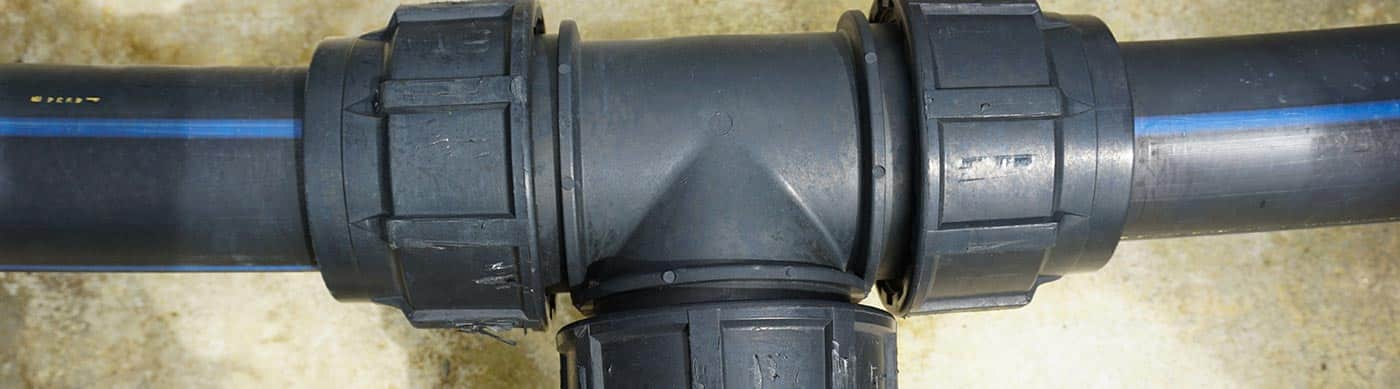
Polyethylene Pipe (PE)
Polyethylene pipe (PE) comes in several different types to serve various purposes around residential and commercial properties.
- Black polyethylene comes in several thicknesses, with typically two connections on a single short run, and has a good performance history. It is estimated that 95% of new home water service lines are black PE.
- An estimated 100% of new gas service lines are yellow polyethylene. PE’s wide acceptance for natural-gas distribution is a strong statement about the material’s corrosion resistance and leak-tight nature.
- High-density polyethylene (HDPE) pipes do not undergo galvanic corrosion and are suited for aggressive soils. Polyethylene pipes do not rust, rot, corrode, tuberculate, or support biological growth.
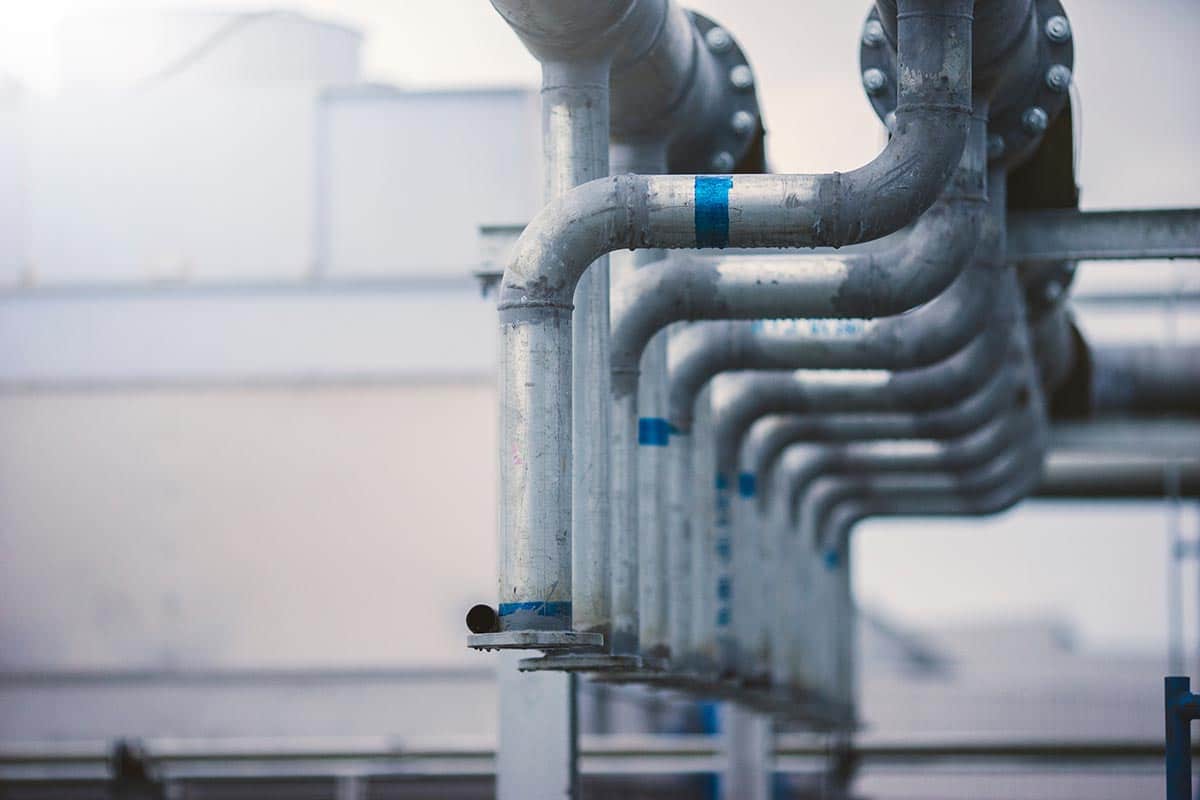
Galvanized Pipe
Galvanized pipe was used extensively in homes that are now over 30 years old. It was originally used for water supply lines and is steel pipe covered with a layer of zinc to increase life expectancy and resist corrosion.
Galvanized pipe has a tendency to react with the minerals in the water it carries, producing scale that can lead to lower water pressure.
As with any pipe material, galvanized pipe can have an unexpected leak and is commonly fixed using a dresser coupling. If you are not having water-pressure issues, you might consider having the leak repaired. Your plumber can advise the best repair solution.
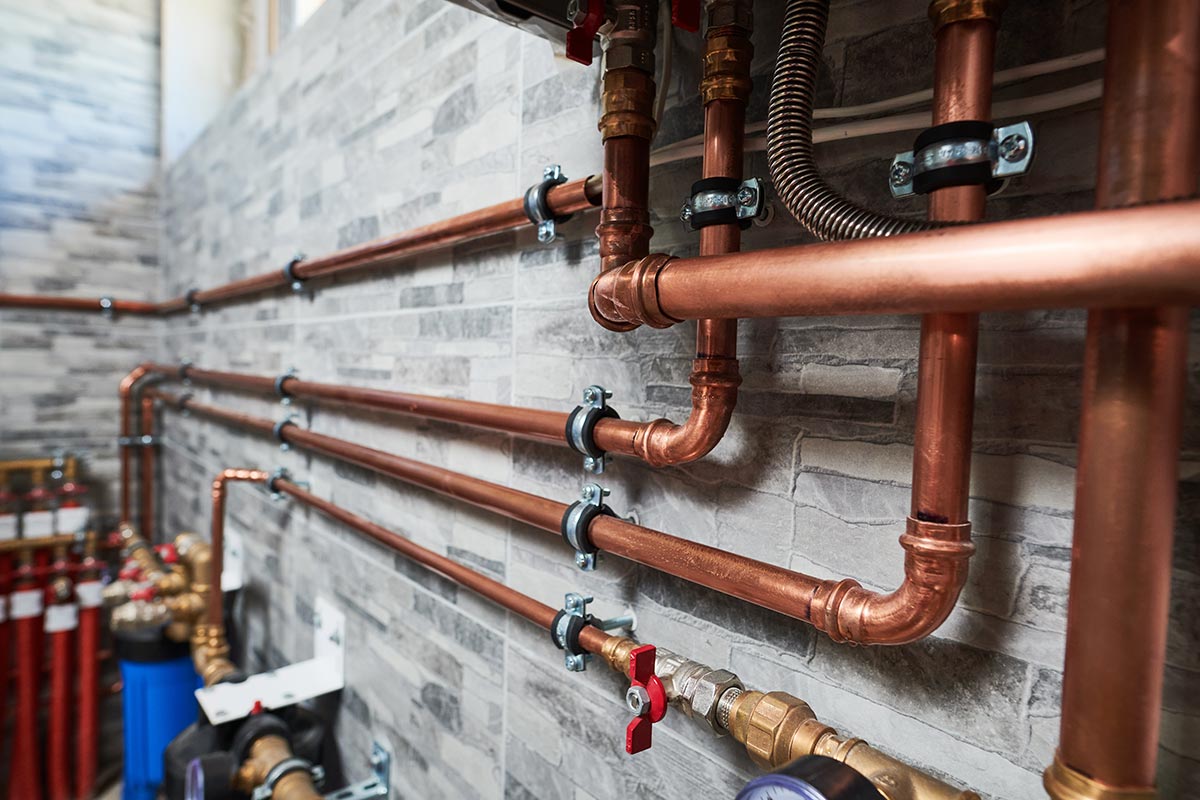
Copper Pipe
Copper pipe came into use after World War II and was used for both water-supply and wastewater lines.
Due to the high cost of the material, it has been used primarily for supply lines, though this is less common today.
With few exceptions, copper pipe is a very reliable water-supply-line material. In some pre-1980 installations, high-lead solder may have been used, which can result in higher lead levels in the water supply.
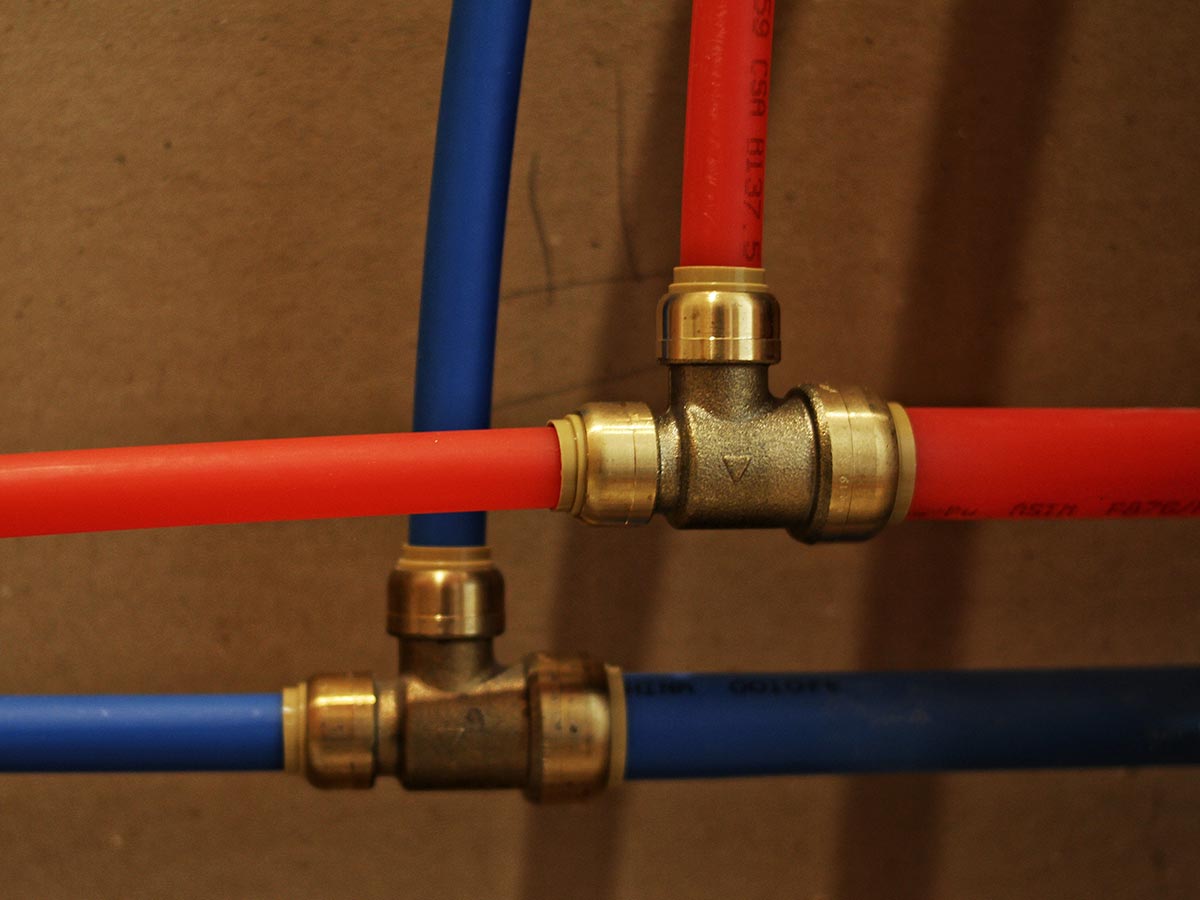
PEX Pipe
PEX, or crosslinked polyethylene pipe, is a relatively newer product. It has been in use for decades and is established as an industry standard. Lower cost and ease of installation are only some of the reasons for its popularity.
PEX lends itself to the distribution of water supply by means of a manifold. This means that the water supply for any faucet or room can be controlled at a nearby location, rather than only at a main valve.
Lead Pipe
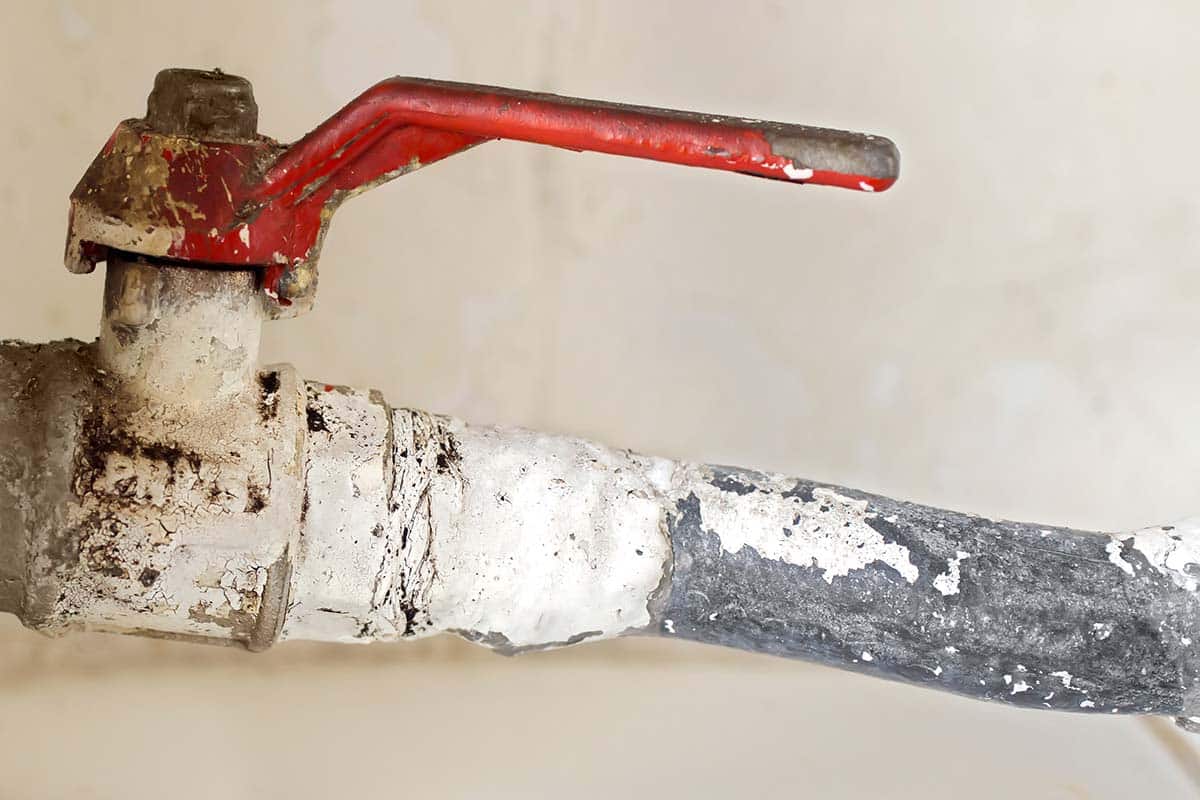
Lead pipe is no longer used for new water service and is rarely found in newer US homes, though older properties may contain lead components in service lines or waste plumbing.
If you suspect lead in a drinking-water line, do not disturb it yourself. Have the plumbing evaluated and follow current local health guidance for testing, replacement, or other appropriate next steps. If a lead pipe is found during remodeling or develops a problem, it should be replaced with an approved modern material such as ABS, PVC, or another code-compliant option.
Have a leak you need found?
Simply Leak Detection has located 10,000+ leaks across the Greater Seattle, Tacoma, and Olympia areas since 2010.