How to Detect Water Intrusion with Thermal Imaging
Most people tend to underestimate the consequences of letting water intrusion go undetected. From structural damage to mold growth, hidden leaks are a nightmare for property owners. Fortunately, advanced tools like thermal imaging have revolutionized detecting and addressing water intrusion.
This highly effective, non-invasive technology identifies hidden issues before they escalate, saving time, money, and unnecessary property damage. Here’s a guide to understanding how thermal imaging works and how it can help protect your home or business.
Water intrusion can be subtle and hard to detect. By the time you notice discoloration on your walls or a musty smell, significant damage may have already occurred. This is especially true for areas that are not easily accessible, such as behind walls and underneath floors.
Detecting water intrusion early on is essential because it allows you to address the issue before it becomes a major problem. Timely detection can prevent structural damage, mold growth, and other costly repairs. Additionally, finding the source of water intrusion will help you implement effective solutions to prevent future incidents.
According to a study by the Insurance Information Institute, water damage accounts for around 22% of all insurance claims in the United States, with an average cost of $5,531. This highlights the importance of early detection and prevention.
Unfortunately, traditional methods of detecting water intrusion, such as visual inspection or moisture meters, may not effectively identify hidden leaks. This is where thermal imaging comes in.
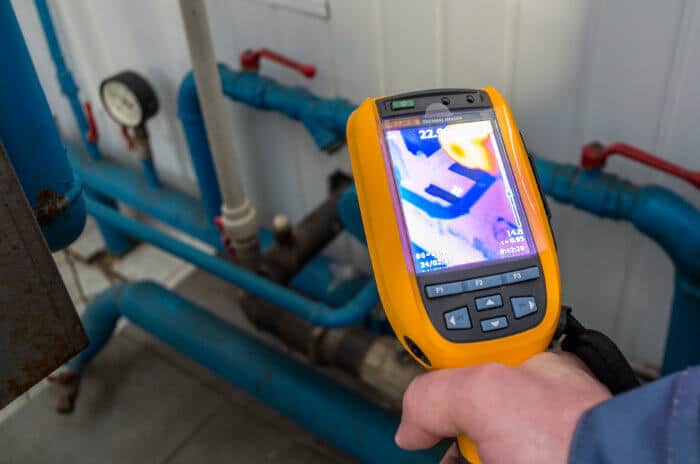
Thermal imaging, also known as infrared thermography, is a technology that uses specialized cameras to detect temperature differences on surfaces. These cameras can detect even minor changes in temperature and translate them into color-coded images that highlight areas of concern.
Thermal imaging detects water intrusion by identifying moisture patterns on surfaces. Due to evaporative cooling, wet spots or damp areas appear cooler than dry areas. Thermal imaging cameras can easily detect this temperature difference, helping pinpoint the source of water intrusion.
Thermal imaging can detect as much as 0.02 inches of moisture, making it a highly sensitive and accurate tool for detecting water intrusion. To give you an idea, traditional moisture meters can only detect around 0.5 inches of moisture. That difference can make a huge impact when it comes to preventing water damage.
Thermal imaging offers several benefits when it comes to detecting water intrusion. Some of these include:
Thermal imaging is a specialized technology that requires proper training and expertise to use effectively. It is recommended that you hire a professional thermographer who has experience in water intrusion detection to inspect your property. That said, it is still helpful to understand the basic process of using thermal imaging for water intrusion detection.
Simply Leak Detection is here to help you detect water intrusion and protect your property. Our team of professional thermographers are trained and experienced in using thermal imaging for detecting hidden leaks. Contact us today to schedule a thermal imaging inspection for your home or business.
When using thermal imaging inside a property, there are certain areas that are more prone to water intrusion and should be given special attention. These include:
Thermal imaging isn’t just for indoor inspections. It can also be used outdoors to detect water intrusion and prevent potential damage. Some areas to scan include:
A good rule of thumb when checking for water intrusion outdoors is to only do so on dry days. Unlike indoor inspection, which can be done in any weather conditions, outdoor thermal imaging is more accurate when no rain or dew is present. This ensures that the only sources of moisture detected are potential water intrusions.
Decoding thermal imaging results is a crucial step in effective leak detection. Infrared cameras display a spectrum of colors representing temperature variations-cool areas are blues and purples, while warm areas appear in reds and yellows. Areas that show distinct cold regions may indicate water intrusion.
However, not all anomalies suggest leaks. Drafts, poor insulation, or even shading can cause temperature differences. For this reason, pair thermal imaging results with follow-up inspections to confirm visible signs of water damage.
Detecting water intrusion early is crucial for protecting your property from extensive damage and unnecessary expenses. Thermal imaging provides a smart, non-invasive solution that identifies the source of leaks quickly and effectively. When safeguarding your property, it’s always better to act sooner rather than later.
If you suspect water intrusion, contact Simply Leak Detection today. Our expertise and cutting-edge tools ensure your property stays dry and secure - without the hassle of invasive inspections. Don’t wait for small leaks to become big problems; we’re here to help!
Have a leak you need found?
Simply Leak Detection has located 10,000+ leaks across the Greater Seattle, Tacoma, and Olympia areas since 2010.