
Detecting Water Leaks in Walls: A Comprehensive How-To Guide
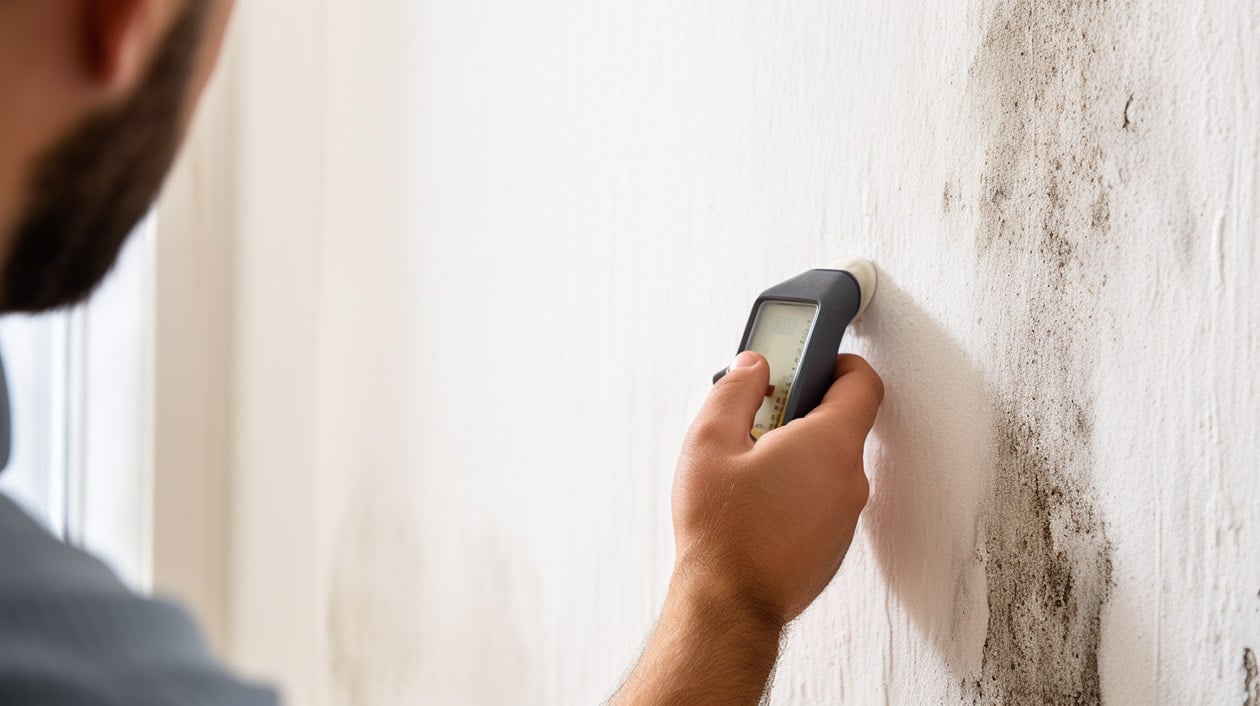
When a frozen pipe bursts, it’s like a loud alarm going off in your home. You can see the water gushing in, and you know you have to move quickly to fix it. But a gradual leak inside your walls is another thing. It frequently sneaks up on you, silently causing damage with no obvious warning signals. By learning how to spot the signs of leakage in your walls, you can catch problems early and prevent serious damage to your home.
Water leaks in walls can come from several common sources. Understanding these can help you spot and fix problems early.
Leaky pipes are a common cause, especially when old or damaged pipes crack. Even loose fittings might allow water to escape. If you discover water stains near your plumbing, it could indicate a leak.
Roof problems typically begin as minor issues but can escalate to cause major problems. Missing shingles or defective flashing can allow rainwater to penetrate, leading to potential interior damage from seepage into walls.
Overflowing water can be caused by clogged or defective gutters. When this happens, water might drip down the walls and into your home.
Cracks in your home’s foundation can also be a source of leaks. During heavy rain, water can pool around the foundation. Once it finds those cracks, it can seep into your home.
Increased humidity may also result in the accumulation of moisture within walls. This is frequently observed in bathrooms and kitchens that experience high levels of steam. If the walls appear damp, it might be necessary to improve air circulation.
Detecting water leaks in your walls promptly can prevent expensive repairs. The following are typical indicators that you might have a leak:
Detecting water leaks in walls before they cause significant damage can save you time and money. Before learning more about the steps to do it, you need to make sure you have the necessary tools.
To thoroughly detect leaks, specialized tools can provide more accurate results:
Now, here are three common ways to detect water leaks in walls:
Inspect your walls for signs of water stains, flaking paint, warped drywall, and mold patches. Changes in color, bubbles, and soft spots are also key signs of wall water leaks.
At times, you can also detect the leak by sound. A slight noise of water trickling or sizzling behind the wall could indicate a concealed leak.
Turn off all of your home’s water and then look at the meter. If it continues to move, you probably have a hidden leak somewhere in your plumbing system, potentially within the walls.
Ignoring a water leak in your walls can lead to a host of problems that only get worse over time. Here’s what can happen if leaks are left unfixed:
Structural Damage: Water may erode your home’s structure by penetrating its walls, floors, and foundation. This can cause wood to deteriorate and drywall to crumble. If left unaddressed, it might damage your home’s structural integrity.
Mold and Mildew Growth: When water becomes trapped in your walls, it provides the ideal environment for mold and mildew to thrive. This produces unpleasant odors and may spread swiftly throughout your house, causing damage and posing major health hazards such as allergies and respiratory disorders.
Increased Repair Costs: The longer you leave a water leak unchecked, the more severe the damage gets. What begins as a modest repair can escalate into a pricey restoration project that includes wall replacements, mold removal, and structural repairs.
Higher Utility Bills: Leaks waste water, which can dramatically raise your water bills. A slow leak may seem minor, but over time it can significantly increase your monthly water bill.
Reduced Property Value: A home with water damage is less appealing to potential buyers. If you ever plan to sell, untreated leaks can lower your home’s value and make it harder to sell without expensive repairs and renovations.
Have a leak you need found?
Simply Leak Detection has located 10,000+ leaks across the Greater Seattle, Tacoma, and Olympia areas since 2010.